Episode Transcript
[00:00:00] Speaker A: This was made by humans.
[00:00:05] Speaker B: Welcome to Austin Community Conversations, a podcast featuring discussions about the interests, backgrounds, and projects animating the members of a vibrant college community.
The views, thoughts and opinions expressed are the speaker's own and do not represent the views, thoughts and opinions of Austin Community College. The material and information presented here is for general information purposes only.
The Austin Community College Community College name and all forms and abbreviations are the property of its owner and its use does not imply endorsement of or opposition to any specific organization, product or service.
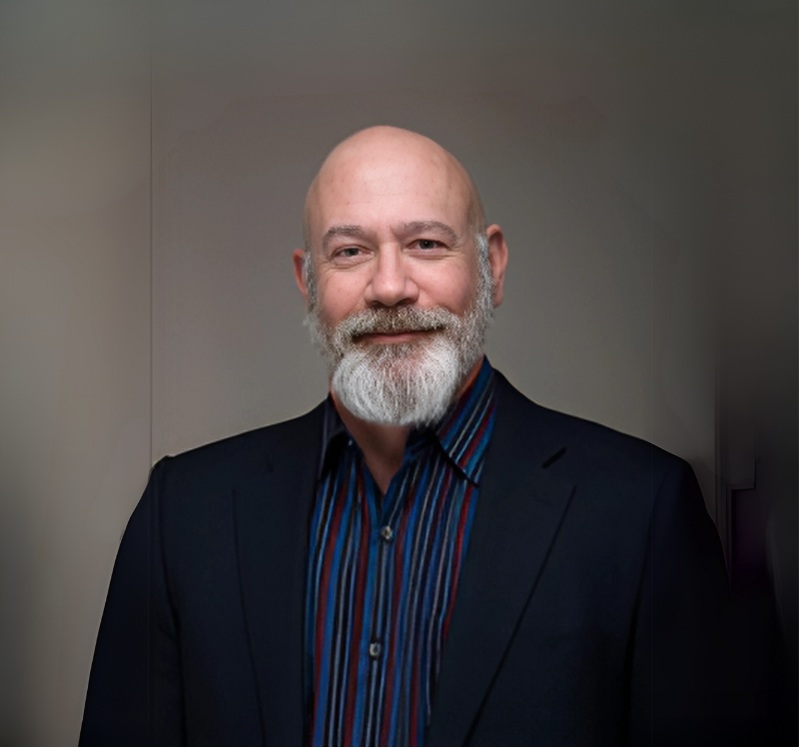
[00:01:09] Speaker A: Welcome to the conversation. I'm Tonio Ramirez.
Through poetry and prose, language becomes a vehicle for connecting readers directly with the thoughts, beliefs, and lived experiences of authors.
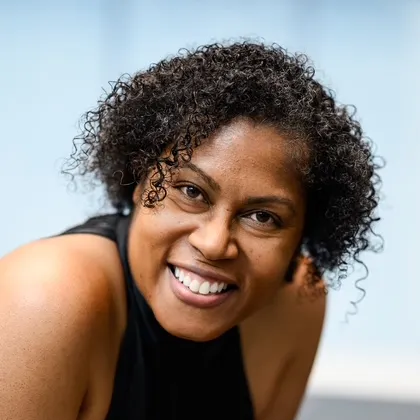
My guest today is Prudence Arceneaux, who guides students as chair of the Creative Writing Department at Austin Community College. In addition to teaching creative writing courses, Prudence directs ACC's literary magazine, the Rio Review, as well as the annual Balcones Literary Prize. She is also an accomplished poet in her own right, having published several volumes, including Proprioception, recently released through the Texas Review Press.
Our discussion addresses her academic journey, the risks and rewards of participating in a community of writers, and the role of creativity both within and outside of her discipline. Let's dive in.
Prudence Arsenault, welcome to the office.
[00:02:09] Speaker B: Thanks for having me.
[00:02:09] Speaker A: I appreciate you taking the time.
So you are a department chair, faculty member, but also a poet in your own right. And I think there's some really interesting points of intersection between those three roles that I'd like to tease out for folks who are listening today.
But since one of the things that I'd like to highlight is your role as an instructor, I'd like to maybe just begin by asking, if you don't mind, to kind of tell your own story about how you came to instruction.
What path did you traverse in order to get to where you are as a faculty member here at acc?
[00:02:47] Speaker B: Okay, so we go way back.
I've just always been a reader, and there's something about our K12 system that says it encourages readers but doesn't encourage us.
Now, as an instructor, I understand there's only so much space in the classroom. So if you have a student who's really eager, who's at the time, Encyclopedia Britannica at home looking up things and then coming back in and asking 1012 questions, right? There was no space for that kind of thing for me.
So I spent a lot of time teaching myself and being really excited about teaching myself but not having a space for that thing. And I think that was just kind of the path it's like seeing the limitations in a classroom and wanting to find ways to get out of those limitations myself, seeing my friends or other classmates and recognizing in them they wanted space in the classroom. But again, we were limited by time, by testing, by all of those things. And I wanted to create classrooms where we had space to take the random journey along a thing and then come back and do the thing we're required to do.
So I think most people, if you asked in my K12 experience, would be surprised that I'm an instructor because I always sat back. I didn't raise my hand as much because I recognized kind of that space. It was up to me to learn. So I just wanted to be that person for people. I wanted to be known as the teacher who had that classroom where you could talk about weird things. We were still going to go over the syllabus, but sure, we could take 20 minutes to talk about Barbie. We could take 50 minutes to talk about all the different vampires that people love, like, that kind of thing, because it's there for us. It's all part of our learning, and it's all connected to everything else that we learn and that we do.
[00:04:40] Speaker A: So have you found situations where you kind of recognize the student that you were walking into your classroom?
[00:04:48] Speaker B: Oh, yes.
[00:04:49] Speaker A: So what's that like when you get the opportunity to actually create that space that you know you wish existed when you were a student yourself?
[00:04:58] Speaker B: I think it is unsettling for some students to see.
It's what I call, like, the nerd connection. Yeah, right.
It'll happen sometimes when I talk about Marvel versus dc.
My comp one class, we do a comparison and contrast example for students. And suddenly everyone is like, yelling things at me like, that's not what Batman wears. What do you mean?
[00:05:21] Speaker A: Marvel?
[00:05:21] Speaker B: Right. How can you choose by all things, Right? And there are some students who are just horrified. Like, what's happened? I thought this was an English classroom. Right? But you see the sparks going off for people, and in that space, I can then connect them to early mythology, right? Or do you remember when you had to read Beowulf? Here's this thing that's happening, right? Like, I can make all those connections for people. And that one student who's still kind of buzzing after that, no leg and email. Okay?
And then I can send it, like, here, read these things. And I don't mind if they come back into class and say in the middle of something else. I read that thing that you mentioned, and this is what I felt like, because it is all connected. It's not to say I'm not stumped. Someday.
[00:06:05] Speaker A: Yeah, sure.
[00:06:07] Speaker B: Why are we talking about this right now?
But you can see the gears in my brain turning, like I want to find a way to fit it in so the student doesn't feel weird. Yeah.
[00:06:18] Speaker A: And they're going to be very much themselves, I think, responsive to your willingness to get weird with them in that particular regard, if you don't mind. Pardon me, I'm just going to adjust the camera.
[00:06:33] Speaker B: Oh, Helen.
[00:06:34] Speaker A: Yeah, there we are.
So, okay. Regarding your specific academic pathway. So you said that people who maybe knew you in K through 12 might be surprised you are now working in higher ed. Did something change when you embarked on your own higher ed journey?
[00:06:58] Speaker B: I mean, again, we go way back in the neighborhood.
If I was going to play with the kids in the neighborhood, we were going to play school and I was going to be the teacher. Okay. Like, you could play with all of my toys, but that was during recess.
So I think it's always been there in me. But I learned in K12 that I needed to be quiet.
I just. I learned it because I always had the odd question that the teacher was not prepared for.
I went to Catholic school for first through sixth grade, and I found mythology.
You would think that would be a great place to talk about, but it was not. It was not. And my argument was, well, you put the books in the library, so I'm going to make that conn. Connection to the Egyptian myths, the Norse myths, those kinds of things. Right.
So I just learned to make my own notes, just to keep them to myself.
When I went back to public school, I found a similar kind of thing, that I just needed to make those notes for myself. So I think because people saw me as more reserved, it appeared as though I wouldn't want to be the person who was in front of the classroom kind of sharing this thing. But I think I'd just been plotting.
[00:08:15] Speaker A: Yeah.
[00:08:15] Speaker B: All along.
[00:08:16] Speaker A: Okay.
[00:08:17] Speaker B: Right.
Seeing that English instructors stuck within certain parameters and not willing to.
I don't know, to be creative. Not willing or not able to be creative. Maybe.
And to take a chance on students learning.
[00:08:35] Speaker A: Yeah. So, yeah. This is the second time that you mentioned the idea of creativity in the role of an instructor. And so I wonder if.
If you might talk at all about the ways in which creativity. Very nebulous concept.
The way that that manifests in your instructional work and how that overlaps or doesn't in your other creative work. So, for example, when you're. When you're writing poetry.
[00:09:07] Speaker B: Yeah.
I Set the writing poetry apart from the academic. Because I'm so chaotic in my own writing, when I tell students about my creative writing process, they are disturbed because it is just kind of manic and it seems a little forgetful in terms of, like, where I'm pulling things from.
But I do want them to see the spark of inspiration.
Right. It's easy to fall into a pattern for a long time. The CLS, the English Comp 1 course was based off of very strict structure. You want to teach the students these particular things. They're going to take this departmental exam. Like, everyone has to get shuttled through this thing, and people seem to fall prey to a kind of boredom in teaching it. So I know that when I came in and I recognized the system seemed to be so stiff, I wanted to find some ways to make it more interesting.
Also to say, students found themselves having to take the Comp one course a number of times because of that departmental exam. So they could have been A or B writers the whole semester, going into the testing center and sitting there for five hours, seven hours, nine hours. Right. They couldn't create the thing they needed to in order to get a grade. So I wanted to find a way to engage the students, keep them excited about it, but also to get them to recognize that the little sparks they have could be turned into this more formal education. Right. Like the Barbie discussion of the paper. That's the idea used for the research paper. Like, let's talk about how this doll shapes play and how it shapes someone's life as they get older. Which, of course, for the students was like, it's just a toy.
[00:11:08] Speaker A: Yeah.
[00:11:09] Speaker B: It's like, no, it's so much more than a toy. Right. And of course, once I'm done with my discussion, they go, oh, well, that's just a Barbie doll. Hold on a minute. Let's do G.I. joe. Let's do he man. Like, let's talk about these toys and how they shape those things. Right? So to then have students thinking about the things they loved when they were younger and how those things can be so much more and how they influence the movies we're watching, the books they're reading. Right. The stories they tell their kids, like, all of those things are interconnected. So I want to remind people about how creative they are every day.
[00:11:44] Speaker A: Yeah. Yeah, that's right. Or even to discover it if they don't recognize that themselves.
[00:11:48] Speaker B: Because we set the.
I have a creative writing degree. Right. Like, we set it aside, definitely. More with, like, our TikTok world and all Those things we see people are crafty, but even that's the word choice. Yeah, crafty, right. Not that you were creative and that people don't think of their work as creative.
My dad was a diesel mechanic working on big rigs and locomotive engines. But in his free time, he fix up cars, mostly for my sister and me to drive around to get to school. But that was a creative thing for him, right? To get this vehicle that hadn't worked for 30 years to work again. But we don't think of it as creative. It's just work. Right. And so I want students, people, I want everyone to understand, like, the creativity is there.
We're just using the word choice incorrectly.
[00:12:45] Speaker A: Yeah, that's right.
[00:12:47] Speaker B: So.
[00:12:49] Speaker A: There'S some areas in philosophical literature, certainly, and in literary criticism where you might see that there's a potentially meaningful distinction between craft and art. That here it's not just a difference in word choice. They're both creative endeavors, but there's something different that's informing them or motivating them.
Does that speak at all to the division that you hinted at before in the way that you bring creativity, your teaching, and the kind of manic process that you talked about in your own work as an author?
[00:13:25] Speaker B: I think so. So I received my MFA from.
Sorry, I still call it Southwest Texas. Texas State in San Marcos. And the MFA students, the Master of Fine Arts students, were with the MA students, the Master of Arts, English. So we were taking some of the same classes. And it was interesting to hear the distinctions. Right. So the people who were going for the Master of Arts, who were focused on teaching and ultimately would be the critics and the editors for our work, didn't think of that stuff as creative. Like, we were the creative people. So if a class about speech or anthropology, because we had to take, like, master's levels classes and subjects that weren't our own.
[00:14:11] Speaker A: Yeah, okay.
[00:14:15] Speaker B: Yeah. It was kind of frightening.
We'd sit in those classes and there would be this awkward pause if someone asked people to stretch in some way because they were waiting for the MFA students, the creative students, to speak up first. I see you have these ideas, like, you're sitting in the classroom talking about these amazing works of literature, and suddenly you're focused on Chess and Chaucer.
I don't care about Chess and Chaucer, but it seems like a really creative thing. Like, you want to understand the history. Like, all of that kind of digging into something is a creative process. And it's. It is frustrating to me to see such a hard division, especially Graduate level. Right. When the people who were studying for. See, I even just said it. Just studying for the masters of English were as creative. Just afraid of putting things down on the page.
[00:15:16] Speaker A: Yeah, sure. I mean, I'm reminded here of this kind of commonplace that you'll find in a lot of corporate cultures nowadays where people will be hired specifically as creatives, and there's some kind of understanding, often incorrectly, that what they're doing is not just.
It's different in kind, in some fundamental way from the work of other people in an organization.
And that's just not true.
[00:15:44] Speaker B: It's just different. Right. Like, I think of Facebook in their hiring of creative people, all of that coding. I don't get it.
[00:15:56] Speaker A: Sure.
[00:15:56] Speaker B: But it seems masterfully created. You put some stuff together, some symbols together, and the symbols create a thing. That's what I'm doing with a poem. I'm putting some symbols together. And it makes you see a thing, it makes you feel a thing.
[00:16:10] Speaker A: Sure.
[00:16:13] Speaker B: So, yes, I'm glad the people were getting hired for that thing. But it limited their role as creative people, but also, very specifically, shut down the potential for creativity in other people.
[00:16:25] Speaker A: Yeah. And it's funny you mentioned that in the domain of code, for example. So this is a good example of a place where you wouldn't typically think of art or creativity. I think this is often exported to things like mathematics and that kind of stuff. But how often you hear people in those fields talking about a beautiful or elegant line of code or the beauty in a logical proof, that's a real thing. And it takes an awful lot of work to be able to appreciate that.
But thinking about what that means as an aesthetic fact in the world, and.
[00:17:00] Speaker B: It'S the same mysticism for me. I don't know how you did that thing. Right. So if someone says, I don't know how you make all those metaphors make me feel this way. I don't know how you did that.
I don't know what you had to study to make the thing happen, but it seems like a really beautiful, creative thing.
[00:17:20] Speaker A: Yes.
[00:17:21] Speaker B: And so, like, I want people to know that thing. I used to teach at Riverside, so I was there for 25 years, and we had.
For a long time, we had the nursing students there.
I think H. Vac is still there, Automotive is still there, welding is there. And it was always an interesting thing to have those students in my comp one class.
They were only thinking of their work as, like, checking off boxes. Yeah. And it was like you were welding. Right. You were transforming this metal into another thing, what other students were doing it. Like the undersea welding.
Tell me more about the thing. Right. And often those students just shrugged it off, just working. Sure.
But what you're doing is masterful.
The nursing students, they. Our human bodies are amazing, bizarre things. Right. Like what you were doing is helping this machine work better, more beautifully. Right.
[00:18:28] Speaker A: And a machine that also happens to be a person. Yeah, yeah, that's right.
[00:18:32] Speaker B: And that you were. You're keeping this kind of electricity happening in this body that's able.
It is an art.
[00:18:41] Speaker A: Yeah, yeah.
[00:18:42] Speaker B: And takes a great deal to get people to understand that what they are studying is. It's the Elizabeth Bishop, the one art. Right. Like you're practicing this thing and people come to you because you are the person who practices this art.
[00:19:02] Speaker A: Yeah.
[00:19:03] Speaker B: And you. You want to be the best at this thing. And it's no different than the painter or the dancer. Like, you show your art with the success of it and the risk of it. Right. And I think maybe that's the thing. Right. When we think about art, oftentimes people are thinking about this kind of greater creative risk. Right. And whether or not there is a perfected, completed thing after.
Whereas with a mechanic, the car runs. Right. With a nurse, the person leaves.
But it's still kind of trial and error. It's still a risk. And each of those things, the nursing, the automotive, the welding, there's still learning in it. There's still evolution in it. Right. And so someone has to take the risk for the thing which makes this art more beautiful.
[00:19:48] Speaker A: Yeah. There's a number of parallels that are occurring as you're talking about this. I mean, how in the same way that writing a poem or writing some prose is going to involve a succession of choices that the author is making throughout, and those choices shape the product.
Same thing does go into automotive repair or any endeavor like this. Right.
[00:20:08] Speaker B: Yeah.
[00:20:09] Speaker A: I wonder, though. So it certainly is, I think, a worthwhile and maybe difficult endeavor to help people to realize the art in work.
But I wonder if the opposite is also a challenge that comes into your teaching and creative writing specifically. There's this popular notion that what a poet does, I think many poets, even more than more so than prose authors, is wait for the muse to like, speak through them or something like this. And in fact, I suspect there's a bit more to it than that most of the time, a little bit more.
[00:20:46] Speaker B: But I mean, I get it because we continue to perpetuate it.
It's like when creative writing is asked to show up at some event and to show what we do, that's really hard. Like, you just gonna give us pencils and paper?
[00:21:02] Speaker A: Yeah.
[00:21:02] Speaker B: And we, like, that's what we do. Right.
And I would argue even. I'm sure my mom will watch this, but even my mom, like, is unclear about what I do. Yeah, right. The teaching job, it makes more sense to her. I put my bag on, I leave the house, and I come back and I'm grading some things.
But when I say that I'm writing that you're just sitting there.
[00:21:25] Speaker A: Yeah.
[00:21:27] Speaker B: What do you mean? You're right. Right. But for me, it's.
I think part of the reason why I say it's a little chaotic for me is I'm always writing.
I'm always thinking about lines. I'm always thinking about titles.
Oftentimes when I'm moving through space, I'm a little distracted because there's a thing I'm trying out in my head, but I'm not sure if I'm gonna write down yet.
I've been known. I know you're my boss, but I've been known to stop in the middle of a lecture.
Hold on. Everyone write this thing.
[00:22:00] Speaker A: Right.
[00:22:00] Speaker B: Because the thing did come to me at that time. But I don't know that I think about it as like a muse sitting on my shoulder. It's just.
I've been thinking about a thing a student said, this other thing, a sound went off, and it seemed like, oh, those things go together.
[00:22:15] Speaker A: Yeah. So I wonder, did you ever have this experience?
Because I do the same thing myself in my own work where I also recognize that this connection that I just made or this line or idea or musical phrase that just came to mind, if I don't find a way to record it for myself, it will disappear, and there will be a thing that was lost in God.
[00:22:41] Speaker B: And then I recognize it Right. When I'm crafting the poem that I think it was supposed to go in. I recognized that it was just right.
[00:22:49] Speaker A: It's the worst feeling there.
[00:22:51] Speaker B: Yes.
And I admit, for a long time, I did. I didn't do that. I didn't stop.
And.
How do I phrase it? Because our society is so focused on the nature of work, and I come from a household that is very focused on the nature of work. I was told you could do the writing as a hobby.
So even when I said, I'm going for an mfa, it's, what are you doing? Right.
So I had to learn to start to find a kind of balance. I'm still not good at it. Right. But I'd given myself over to work so much that I refused to stop. I refused to pause and just accepted that things were lost. And then I had to make a decision, like admitting to my boss that sometimes I stop in the middle of the lecture because those things are there.
And to me, it's just as important.
But I think also for my students, it's important for them to see that sometimes you have to pause for that thing. You have to pause for that.
You have to pause for that moment of joy. You have to pause for that moment of clarity, like, whatever that. Whatever word choice you want to use for that. You have to pause for that thing. And I think if we can teach ourselves to do that kind of pause, then I think we see more of the creativity in our world.
[00:24:17] Speaker A: Yeah. And modeling that for students in real time, I imagine it's very powerful for them.
It seems to me that a lot of the time in philosophy class is my discipline.
Part of what it seems like I'm trying to do in some fundamental way is to just encourage students to take on an attitude that their.
That their intellectual life deserves to be taken seriously if by no one else than themselves.
[00:24:46] Speaker B: Right.
[00:24:46] Speaker A: And that act of pausing and recognizing that there's some task that I have to do, but there's something happening in here that deserves to be taken seriously right now, giving that permission, helping to cultivate that skill is tremendously powerful, I'd imagine.
[00:25:04] Speaker B: Yeah. And to get them to understand the significance of story, Right? So I put it back in creative writing terms, right? The significance of the story that they're building for themselves, of their lives. Like, that thing is key. Right.
I remember many years back, there was a push, the initial push, right. At acc. Like, every student who comes to you, you want to tell them four year degree.
You want to tell them four year degree. And I remember students coming to me saying, like, but I want to do nails.
Right? And I remember this one student said it in this larger classroom, and students snickered. And I was like, come on, y'. All. Like that. That is truly, like, you can't argue. Any other thing that you consider is just, like, beauty. Like, that is amazing stuff that's happening there. Right?
Why would you laugh at that thing?
Why would I tell that student, no, you want to go do something else? So, sure. Part of my goal is I love to convince students to not be math majors and be creative.
Right.
[00:26:12] Speaker A: Not being engineering there.
[00:26:14] Speaker B: I love that. Right. But to see this student and to know that's what she wants to do, and that's how she wants to bring beauty in the world. Why would I say, well, no, you're really good at history.
Set that aside, go try and be a history professor.
[00:26:30] Speaker A: Yeah, right.
[00:26:32] Speaker B: And to get someone to acknowledge that kind of.
What's the word? Am I for that kind of necessity? Yeah, right. Like, if you feel that things, then let's find a way to do that then. Because there's so much else in our world that tells us we have to go and hit certain check marks.
I think about my experience when I came back to public school. I went to a math and science junior high, which for me, math is hard.
And for me, it's funny, I'm this kid surrounded by other kids who were just trying to struggle through this magnet program with an extra math class, an extra science class.
And then when I went to high school, to business high school, like, what am I doing here? Right. But it was, you have to check off these boxes. You have to get this thing done. And it's like, this isn't an expression of me. I can do the work, but I don't feel this thing. Which it's not to say that I wasn't surrounded by some other kids who, like, this is where they were flourishing. Right. But even then, it wasn't seen as creative or art or necessity.
[00:27:51] Speaker A: Yeah.
[00:27:52] Speaker B: Because I think that's.
I think that may be the thing that we see is different. Right. Like, I need to write sometimes.
[00:28:01] Speaker A: That's right.
[00:28:03] Speaker B: I need to do it sometimes I put it off. Right. Because sometimes end of the semester or we have events or that kind of thing, but, like, I need to do it.
And in that sense, it feels like another job. Sure. Right. Because I have to set aside the time for it and I have to pay attention to it. But I don't know that the nail tech necessarily always thinks of it as, I need to do this thing. I don't know if the mechanic thinks of it that way. In contrast to, say, the person who does.
I'm not sure the right word I want to say detailing. The one who paints the car puts the, like, that kind of thing on the car. Right. Redoes the leather in a vehicle. Right. You see, that person is creative and the person who fixes the engine as the not creative person.
[00:28:54] Speaker A: That's interesting. So, yeah, maybe that they were making some kind of distinction, unconsciously or otherwise, between those features in the car that are just for show.
[00:29:06] Speaker B: Right.
[00:29:07] Speaker A: They are the aesthetic features of the car. It would still be a car even if it had, you know, ugly seats, but the beautiful ones you know, glorify in some kind of way, but the engine is like pure mechanics or something like this. Yeah, yeah.
[00:29:21] Speaker B: And of course, the paycheck is a concern.
[00:29:22] Speaker A: Well, this is kind of an obvious difference between. Between the way that I might think about my. My work doing nails and my work as an author or a musician is that there's an external reward that I know I'm going to get and that I may depend upon in some kind of basic survival sense from the nail stuff. I get paid.
[00:29:43] Speaker B: Right.
[00:29:44] Speaker A: And, you know, I think the vast majority of people who engage in creative endeavors are not going to be rewarded in quite that way. Right. Nothing wrong with suddenly finding your JK rolling or what have you, but it's probably not going to be the reward you're getting. So coming to see the necessity, the cost of not attending to that need as being on par with or as important as the cost of not getting paid, that seems like an interesting challenge to kind of present to our students.
[00:30:18] Speaker B: I mean, I can recall the students coming to me, having just spent time with an advisor and very proud of themselves, telling me, like, I'm going to be a pharmacy tech.
Okay, just to be clear, you said you hate math at the start of the semester. Why are you doing this? Well, they get paid really well.
Okay, I hear you. Right. But, like, is that going to feed your soul? Right? So I'm using creative writing term. Right. Are you gonna be content?
Right. Are you gonna be the best version of yourself for your partner, your kids as you go through your life? Right. Doing this thing, like, yes, you could do it.
Right. And I think of that in terms of my parents, Right. Like, their thing was, you love reading. You're really good at making arguments. Could be a lawyer.
[00:31:10] Speaker A: Yeah, sure.
[00:31:14] Speaker B: Go be a lawyer. Right. And I hear so many of our students, like, stuck in that space, right. Like, these skills can translate to something else.
Are you willing to take the risk?
Right. Now, admittedly, I'm a professor, right? Because I know, I'm not kidding. A lot of money as a poet and, like, I've got two chat books. I have a book coming out next month.
But, like, I need to be a professor, but I still need to write those things.
[00:31:44] Speaker A: Yeah. So that's that. That seems to me kind of like the middle road that a lot of faculty that I speak to are trying to help students to navigate. It's not that there's anything fundamentally wrong with being a pharmaceutical technician or a lawyer, and there can be a lot of satisfaction in those things, but is it possible to bring into that life also these other things that nourish you or that help you to be even a better version of that lawyer or pharmacy tech.
Focusing on poetry specifically, for a moment, I wonder how you help students to come to poetry who might have fears or apprehensions about it. And here I will put some of my own kind of embarrassing personal facts on the table.
Poetry is kind of scary to me sometimes.
And one reason that it. That it is scary is that it allows us to utilize language. And I want to be careful to specify what I mean here, because one of the pet peeves that I have is when people misuse the word utilize, it don't mean use. Right. So I cannot.
I cannot utilize this cup to drink coffee, because that's what the cup is for. You use the cup to drink coffee. I could utilize it as a way of shoveling dirt or something like this. It's when you take something and, you know, implement it in a way that's not its primary purpose.
[00:33:18] Speaker B: Yeah.
[00:33:20] Speaker A: Poetry does something like this with language.
[00:33:23] Speaker B: Right.
[00:33:23] Speaker A: It allows us to take words and phrasing and the sorts of things that are directly tied to immediate literal meaning and use them in any old way that you want and in ways you might not expect.
And that can be disorienting. It can be confusing.
You might wonder the extent that meaning is even preserved there.
So you can, you know, I imagine there are students who might come to poetry in ways that I have in my life and said, I'm not sure what these words are supposed to mean when they're put together in this way. Is this for me?
How might you invite a student to get past that?
[00:34:05] Speaker B: I always go with, like, what'd you feel first?
Right. So if the student says, well, when I read it, I didn't get anything. I go, hold on. I read it and I go first. Emotion is the first thing you felt. And if it's discomfort or I felt sad, like. Like, let's start there. Yeah, right. Because I would argue that's what poetry is for. Right. Like, we're so used to poetry being on the page. Like, that's how we're taught to study it. But it is an oral. It's an audio art for the most part. Right. Like, you go to a reading and you were there listening to and watching the poet read.
So it is how it resonates.
I mean, that's the word choice we use when we're talking about creative writing. That resonate with you. Right. There was something in you that echoes that thing. What is that thing? Right.
Because so much of the way we're taught poetry is. Did you get the right answer? Yeah, Well, I felt this way the first time I read it, but the next time I read it, I felt a different way. Right. Because a different metaphor stuck out for me. Like, those kinds of things that.
That's what I think we should be paying attention to when we go to poetry. Right. And there's a lot of poetry that isn't for you, that isn't for me. It doesn't do anything for me. And I would argue most of us encounter the poetry that doesn't do anything for us, which is why we approach it with such fear.
There's nothing wrong with Shakespeare. There's nothing wrong with Donne. There's nothing wrong with Emily Dickinson. But I'm not necessarily doing anything for most of us as readers. So we take the test. We do the thing.
There was something that I. As an undergrad, and I'm not going to remember who the person is, but it's a. It's a line I've held onto since I was an undergrad, and it was.
You write down, shakespeare is the greatest writer who ever lived. For the test, put in the margins, you write, this is bullshit.
Right. Because, like, surely there are other people. Right. But for the test, this is what you write down. Right.
And I think that's how we encounter poetry, which then perpetuates the thing like, oh, these poets are other people because they come up with these things. But also, like, I can't get into it because there's just nothing for me.
[00:36:26] Speaker A: Yeah, yeah. So maybe we can add a layer of complexity here. So I know that a lot of people in our CLS courses, and I imagine our free writer courses as well, have an interest in inviting students to consider the voices of marginalized poets or marginalized authors. And in some cases, I might have to acknowledge up front that in a certain sense, this person isn't writing for me.
How can I connect with that? Or what might you encourage me as a student to do, to acknowledge that in a certain sense, this poem isn't written for me and yet deserves my attention?
[00:37:04] Speaker B: Yeah. Yeah.
Because I think it's experience.
Right. The idea is we study human nature, we study human behavior when we're studying literature. Right.
Anytime we walk out of the house and we encounter people, we're studying them whether we acknowledge it or not. Right. From a philosophical and anthropological, sociological standpoint. Right. We are making assessments and judgments. We are wondering about that thing.
It's the. It's a game that People play like they see someone walk by and they go, what's that person's story?
[00:37:36] Speaker A: Yeah.
[00:37:37] Speaker B: Right? That's what's happening on the page.
[00:37:40] Speaker A: Right?
[00:37:40] Speaker B: Like, I asked my students in Comp 2 Literature, Creative Writing, to think about the characters and the stories of living, breathing people, Right. If you saw them at heb, how much you respond to this person, Right. Would you step closer and eavesdrop? Would you step away? Like, why is that? Like, what about this character? What about this voice draws you in or pushes you away in the same way you're encountering someone else?
Because it is about human behavior. And again, there are certain humans you don't want to be around, and that's okay. And normally we don't acknowledge why that is. We just step away from them. And so then the next layer for the class is, so why did you step away?
Is it because this is a story about motherhood and you don't like the way this character's talking about it? Is this a story about a mental health issue and it's something that really resonates with you from your own experience or someone close to you? Right. Let's talk about those kinds of things. Because you may not enjoy the thing, but it's about understanding how this fits into all of the voices. I'll use the cliche, the larger tapestry.
All of the voices are important. And so part of what we have to do is read for worth in terms of, like, so why is this out there? Right. So not necessarily saying that it's better or worse than something else, but, like, why is it out there? Yeah, like, there's an editor somewhere that said, this is a really great story. I wonder why.
[00:39:06] Speaker A: Yeah.
[00:39:07] Speaker B: Well.
[00:39:07] Speaker A: And I think it evokes, again, a point you made before, that the person who wrote this took a risk.
This person had no reason to believe they were going to be anthologized or that they were going to be acknowledged for this, but there was some need that they had to express themselves in a particular way that they have. Isn't that something fascinating and worth paying attention to?
[00:39:29] Speaker B: Yeah. And that's a distinction that I think we don't talk about enough in creative writing classes that some people in our creative writing classes don't want to publish.
Right. They want to find a better way to express the things they have inside of themselves for themselves. Right. So they this sense of, like, what I've been writing in my diary, I like it, but I think it could be better. I think my journals could be better. So then we talk about this Sense of, like, crafting that voice. So if we think about the nature of a journal, we can go back and see ourselves at that time. This person wants a better history of themselves so we can work on that thing. Right. And the ones who do want to publish.
What about these stories? Do you want to be out in the world? Right. Because one thing we have to accept as writers and we're publishing is your stuff isn't going to be for everyone. Like, I'm putting my stuff out there, and there's a you out there who reads my stuff. It's like, I'm going to put that down.
[00:40:25] Speaker A: Yeah, sure.
[00:40:25] Speaker B: You know, I got this book. Maybe I'll give it to somebody else as a gift. Right? Yeah.
But I needed that particular version of that story to get out there. I needed that particular version of that poem to be out there.
[00:40:38] Speaker A: Yes.
[00:40:38] Speaker B: For myself. And I'm hoping when someone reads it, if they don't like the whole poem, they like a phrase.
They like the way I created my own word somewhere, like that kind of thing. And maybe they carry that with them and it connects to something else they want to do. And it connects.
[00:40:55] Speaker A: Yeah. In ways that you, the author, are never going to know about.
[00:40:59] Speaker B: Never going to know? Yeah, never going to know. I mean, it's that thing. Like, I have a friend who likes my least favorite poem.
[00:41:06] Speaker A: You actually have a least favorite part.
[00:41:08] Speaker B: Oh, my God.
Because sometimes you're writing a thing and you.
You wrote it and you know it's finished, and you feel like there's somebody who want to make it. Yeah. Right.
And I put it in a collection of things, and it's out there in the world, and I'm not gonna tell you which one it is, but, like, I want to make it. But this friend loves this poem. And every time I read, the friend's like, can you read that one?
But at the same time, I don't like the poem, but I like three lines in it.
I really love those three lines. So, yeah, that's why I finished it, set it out there.
[00:41:48] Speaker A: It was a worthwhile endeavor for nothing more than that.
[00:41:51] Speaker B: Yeah. It encapsulates that experience.
And maybe for somebody else, like this friend, it is a better experience for them than it is for me when I look at it. Sure.
[00:42:03] Speaker A: So you mentioned when you do readings and you also facilitate readings here at the college, and this is something that I imagine that students who take creative writing courses might know a bit about because they're invited to attend or consider attending by instructors. But these are open to the larger Campus, community.
How might you describe these events?
What should I expect to be in for if I attend a reading?
[00:42:30] Speaker B: So one, our students are surprised. These things happen.
[00:42:33] Speaker A: Yeah.
[00:42:37] Speaker B: I'm trying to think of the word choice.
Our students don't know readings happen for free.
They don't know. So when we offer them here at ACC or our community bookstores, I think first it is.
It is the curiosity of the event. Right. Like people just get together.
[00:43:02] Speaker A: Yeah. This is a novel experience, right?
[00:43:04] Speaker B: Yeah. But I think what students get from those experience. But community. It's community. Right. People coming in to sit with these authors. We bring in some big names, we bring in some smaller names.
So for some people it is a bit of a fandom. Right. Like they. They heard about this person as a Texas poet laureate or this person's poem got to be on NPR or the New Yorker, that kind of thing. And so there's definitely some fame in there. Like I get to meet this really famous person. Right.
But what they find is that it's really laid back.
[00:43:38] Speaker A: Yeah.
[00:43:39] Speaker B: We're all just hanging out and enjoying this creative person.
What they've done this process for them.
[00:43:46] Speaker A: Yes.
[00:43:47] Speaker B: Which. Which I think was what happened for me as well. I mean, I grew up in Houston, but I never went to a reading. And as an undergraduate at the University of Mexico, I walked past like a big pylon that it was a poster and I just happened to read the poem.
Oh, it's today. In like 20 minutes. Yeah. Right. And I went and I sat and I was astounding.
[00:44:13] Speaker A: Sure.
[00:44:14] Speaker B: Listening to this poet read. And then they said, oh, we're gonna sell some books.
And I ran back to the dorms and literally like knocked at everyone's doors. Like I collected money and then ran back to the reading to like count out my coins.
[00:44:29] Speaker A: Yeah.
[00:44:29] Speaker B: To get a copy of this book. Right.
So I think I want people to experience that same thing. Right. Like, okay, you may not find her favorites author, but that you get to understand, like this is what creative writing does. It brings us together. Right. And it brings us together to talk about how we are humans experiencing this world. Sure. And you get a chance to talk with someone who is making other connections in creative writing, which is a big thing about our world. Right. It's who you can also make connections with because you're getting yourself out there, but you get to see other creative people.
[00:45:08] Speaker A: Yeah.
[00:45:09] Speaker B: Right. And yes, there are other people who are quietly creative, but you get to be in this space where the questions you're asking aren't crazy.
[00:45:18] Speaker A: Yeah.
[00:45:18] Speaker B: That's you're having about writing, about being a person in the world.
They don't seem foreign.
[00:45:24] Speaker A: That's right.
I'm reminded. So I think many academic disciplines have professional colloquia or talks where public might be able to go and see a professor in a given field, talk about their latest work.
And you know, as a young student, the first time I attended one of these, it was transformative because I realized that whatever the discipline is, philosophy, sociology, literature, I'm used to encountering. Encountering it in a. In a bound volume that has been given to me. Yeah, it's this thing that has already happened. I missed it, but I can connect with it in this way and to actually enter into the room and be.
[00:46:08] Speaker B: In a physical space where living and breathing.
[00:46:10] Speaker A: And I'm a part of it. Right. Yeah, that. That is a really powerful experience. And in many ways I imagine all the more so in the domain of creative writing because I think we often do have this tendency to place offers on a sort of pedestal where I'm just supposed to passively receive what they're doing and actually participate in dialogue with them.
[00:46:33] Speaker B: Something else. Yeah. I don't know how many times kind of pushes you, like, just go.
[00:46:36] Speaker A: Yeah, just go talk.
[00:46:37] Speaker B: Just go ask the question. Yeah, right. Or after the event, like the next day in class, the students have all these questions for me.
Next time I'm not the post it. I'm not the writer, I'm not the screenwriter. Ask that person. Right. Like that's what this space is for.
[00:46:54] Speaker A: Yeah, right.
[00:46:54] Speaker B: Like it.
No craziness here.
We're just all throwing our ideas out there. I think about the nature of, like, our screenwriting students. Some of our screenwriting students are really hesitant and they're like, just think, come on.
Matrix, Memento, Inception, like on the page.
What?
I don't want to see that. Right. So like, you have to be willing to take a bit of a risk. And that means like speaking that thing.
[00:47:27] Speaker A: Yeah, that's right.
[00:47:29] Speaker B: And maybe that means that you ask the question, like, what if. Just what if this thing happens? Right.
So, yeah, I want to.
I want people to come in to our readings knowing that they can be comfortable, knowing that they can participate in our banned books event that we do every year to talk about the nature of censorship.
It was last year, we were just doing a thing, this vast room that we have here on campus, and we were talking and I said something about the number of people books that were being banned and at different places. And the student out. The audience was expletive. Laced. But like it was that kind of response, like, yes, that's exactly how we feel about censorship. Right? Like you're in a safe space. The student of course was doing the thing. It was like, no, no, that's what I'm feeling. But I'm on the mic and I'm being recorded and I can't say that thing right.
So I want people to know it is, it is communication, community. And we want to continue to build that community. We want people to know, if you come in for one, come in for all of them, bring other people to these spaces. Because this is how we share ideas, this is how we continue to build community and this is how we continue to create wonderful things that show true human expression.
[00:48:50] Speaker A: That's outstanding.
One last item that I'd like to discuss with you then on that front is something that you have to facilitate for our own students who are involved in creative work. And that's the Rio Review, which I'm going to put on the screen here. You want to just talk a little bit about what the Rio Review is?
[00:49:08] Speaker B: So the Rio Review, so from the professor standpoint, it is a course that our creative writing majors take and they're given the opportunity to gain skills in editing. So we were talking before about being a writer and maybe it not being the most financial prospect.
I want to make sure that our students graduate with other skills and so the rear view gives them that opportunity. Right. To gain the editing skills.
Students show up 16 week course having never met the other students and they are asked like coalesce as this productive and it's group of people. They are given works from the ACC community, so poetry, fiction, screenwriting, art, and they are asked to curate into a lovely journal.
They're given the opportunity to engage with some of the artists, but most of this is on them in terms of choosing the works, editing the works, the layout of it, choosing the COVID designs, all of those things so the students know this is their creation.
And once we're done, we want to make sure that not only do we honor the artists, but we honor the editors as well. Right. So we put on our event and we release this into the world and we make sure that these are books that come out into our community so people can see the amazing stuff that our students are doing.
Not only as the creative, but as the editorial as well.
[00:50:37] Speaker A: Yeah, I'd like to hide the encourage anybody who has the opportunity to, to get one of these.
[00:50:42] Speaker B: Definitely.
We leave them in different places and anytime we're tabling we have extra copies of them because we want to know. We want people to know that our students are amazingly creative. And we want people to know that we're putting out good people into the world.
[00:51:00] Speaker A: Yeah, well, I suppose that is kind of the objective of the whole thing right now.
But for. Thank you so much for taking the time and meeting with me today, and congratulations on the upcoming publishing.
[00:51:10] Speaker B: Thank you so much.
[00:51:11] Speaker A: Yeah.
[00:51:11] Speaker B: All right.